The Rice (Vary)
Rice, the staple food of Malagasy people, is cultivated in terraced or hillside rice fields. Respecting the rice fields is a tradition recommended alongside that of respecting elders. Currently, intensive agriculture is developing to facilitate mechanization.
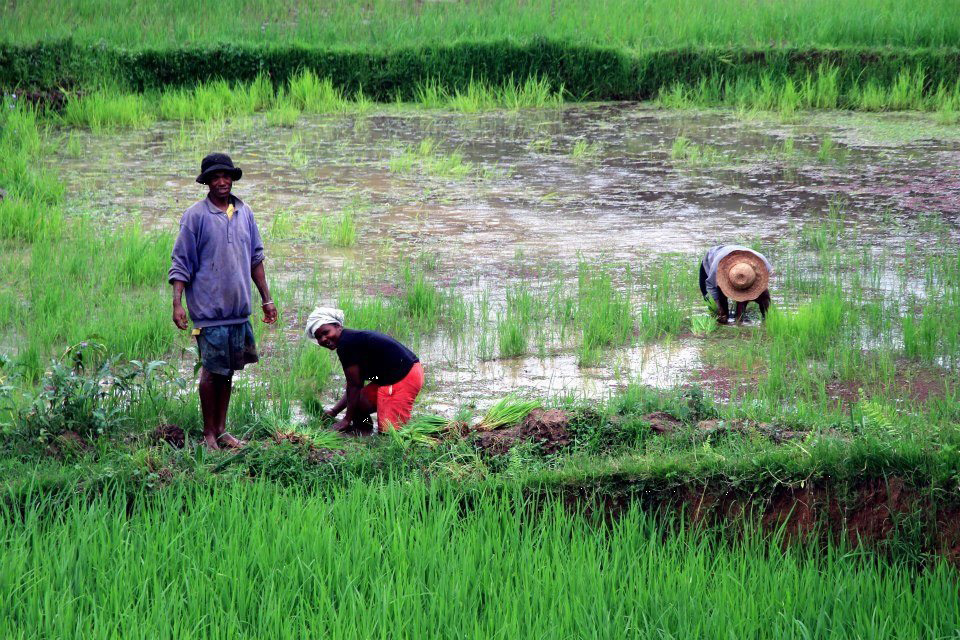
The Malagasy people will not ask you to share a meal, but to share their rice. Manasa hihinam-bary e!
The Zebu (Omby)
Symbol of wealth and social status, especially in the West and South. The largest markets are in Ambalavao and Tsiroanomandidy. Everything is used: its strength for plowing, its skin for crafts, its horns for medicine, and its meat for ancestral sacrifices.
The Lemurs
Jewels of the fauna, their exact number remains unknown as more are still being discovered! From the tiny Microcebus to the Indri famous for its song, passing through the Ring-tailed Catta or the strange nocturnal Aye-Aye with bat ears.
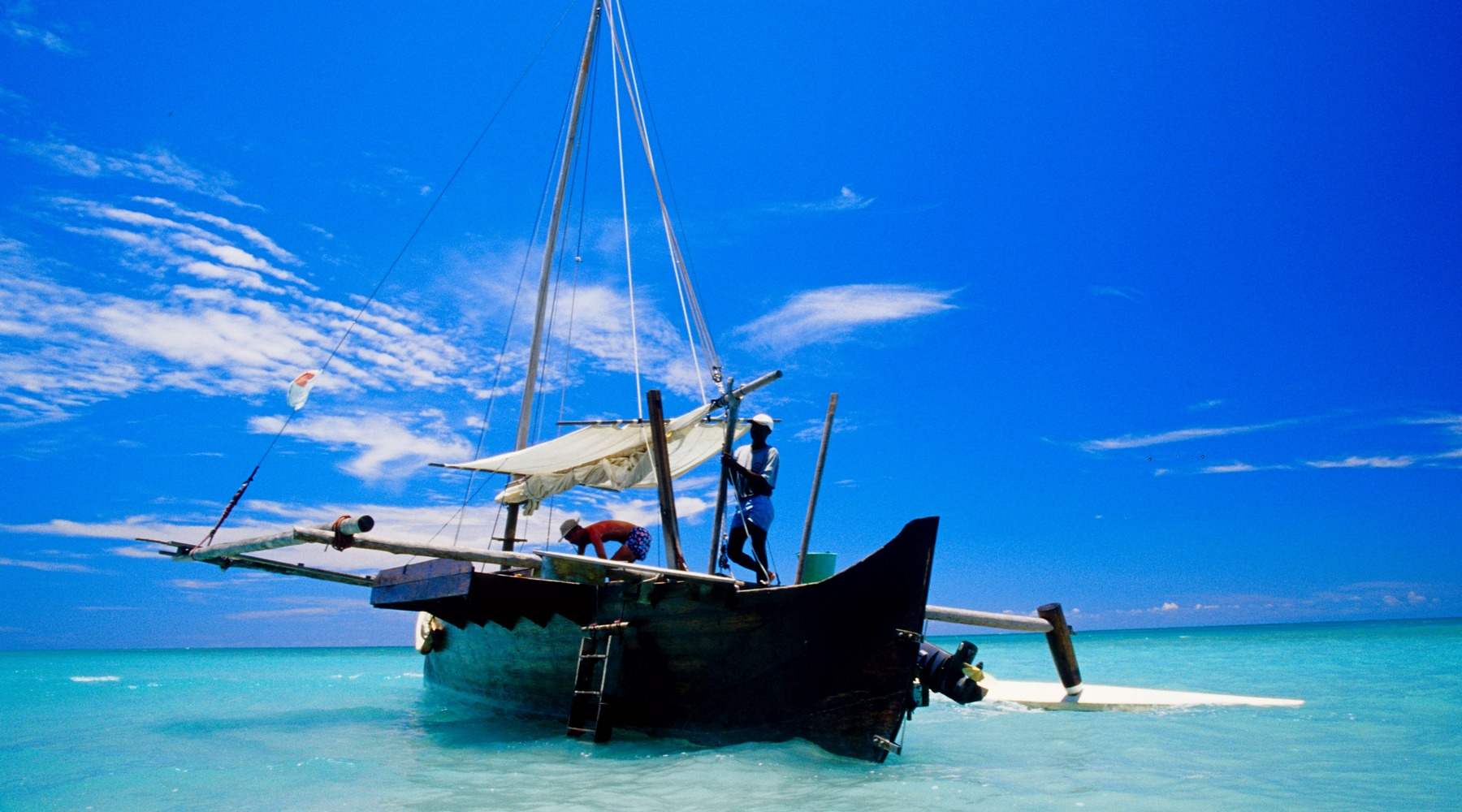
The Lakambezo (Pirogue)
The Vezo pirogue, so fragile under its large rectangular sail, has yet served long voyages of the Protomalagas! Present from Itampolo to Nosy Be, its sail transforms into a tent during stops. It is the beating heart of the western coast and ritual ceremonies.
The Vanilla
First world exporter, Madagascar produces more than 1,000 tonnes per year. For the anecdote, after a match against Côte d'Ivoire, Didier Drogba received a memorable counter-attack... in the form of braided vanilla pods!
The Baobab (Reniala)
Nicknamed "Roots of Heaven" or "Mother of the Forest," the Morondava region is home to the majority of Madagascar's seven tree species, from the Adansonia fony (5m) to the majestic Grandidieri (40m). Whether sacred or romanticized, they form the most famous avenue in the world.
The Ylang-Ylang
The tortuous aspect of this "upside-down tree" is intentional to facilitate manual harvesting. Notable figure: it takes 100 kg of flowers to produce only 2.5 kg of essential oil for the biggest perfumers.
Geology: Isalo & Tsingy
At Isalo, erosion has sculpted queens and lions in the rock. At Tsingy de Bemaraha, classified by UNESCO, wind and rain have transformed coral plates into true "cathedrals" of limestone with sharp edges.
Traditions & Rites
From Tsanga-tsaina in the north to Sambatra (collective circumcision) in the southeast, each region thrives. The Fitampoha in Menabe involves honoring royal relics on the banks of the Tsiribihina.
The Funerary Art
Mahafaly tombs are adorned with carved aloalo depicting the life of the deceased. In Morondava, erotic sculptures, sadly victims of looters, once stood, symbolizing the continuation of life in the unseen realm..
The Artisanal Industry
Wild silk, Ambositra marquetry (Zafimiry art), Antemoro paper from Ambalavao, or miniatures in tin cans... Malagasy creativity knows no bounds. Don't leave the island empty-handed!
The Whale Watching
From June to September, humpback whales travel 5,000 km from the Arctic to reach the waters of Sainte-Marie, Antongil Bay or Anakao. A methodical and magnificent spectacle of aquatic ballets with their calves.